Category Archives: Uncategorized


Burn

Snake found near streets in Melbourne CBD

First Aid Course in Canberra. Excellent CBD Location. Recognised RTO. Book now using coupon “STUDENT” to receive 10% off.

A HIGHLY venomous snake has caught a lift into Melbourne’s CBD before causing lunchtime chaos and attracting a huge crowd outside Southern Cross station this afternoon.

DEADLY SNAKE GETS HEAD STUCK IN BEER CAN

DID YOU SEE IT? Email [email protected]

The tiger snake was found near the corner of Collins and Spencer streets around 12.30pm and was removed about an hour later.

Police formed a cordon around the creature, with the unusual sight drawing media and a large crowd which stretched onto Spencer St.

VENOMOUS VISITORS NO CAUSE FOR CONCERN: SNAKE HUNTER

Snake catcher Barry came to the rescue to remove the creature around 1.30pm.

“He could have hitchhiked here,” Barry the snake catcher told reporters at the scene.

“They come up the Yarra (River), they come up the drains.

“It’s not very often they come right into the CBD, but they do live around here

“They eat mice and rats and we’re swamped with (them) at the moment.

“He’s injured we’re going to see if we can take him to the vets and get him fixed up.”

Department of Environment, Land, Water and Planning senior scientist Nick Clemann said snakes do turn up in the city from “time-to-time” but it was uncommon.

“It may have come from the nearby Yarra River, hitchhiked in building materials or come from a construction zone,” he said.

“It could even be someone playing a practical joke, I’d hope not in terms of safety and animal welfare, but that’s also a possibility that we can’t discount.”

But it seems the snake just hitchhiked a ride.

A City of Melbourne spokeswoman said Victoria Police told council’s animal management officers that “a tiger snake had fallen from underneath a car”.

The spokeswoman said officers kept people away from the animal while they waited for the snake catcher, and flagged down a police van to help with traffic management.

“The snake catcher attended the scene and secured the snake before transporting it to a vet for assessment,” they said.

“While City of Melbourne park rangers regularly respond to reports of snakes in some in our parks, this is the first sighting of a venomous snake in the central CBD in recent memory.”

GOOD NEWS: The snake in the drain has been rescued and we didn’t even need @SamuelLJackson . Thanks to Barry from Snake Catcher Victoria.

One southbound lane of Spencer St was closed during the incident.

City of Melbourne posted a photo of the snake on Twitter and urged people to avoid the area.

“We’re currently trying to remove a snake who seems to be a little lost,” the council wrote during the incident.

Metro Trains also urged passengers travelling to or from Southern Cross station to take extra care.

Known to be aggressive, the highly venomous tiger snake is one of Australia’s deadliest animals and is identified by its banded “stripes”.

DEADLY SNAKES YOU CAN FIND IN YOUR BACKYARD

CAN YOU SPOT THE DEADLY TIGER SNAKE?

The deadly reptile is often associated with watery environments such as creeks, dams, drains, lagoons, wetlands and swamps, according to the Australian Museum.

Being a native snake, the species is protected.

Originally published asRogue snake invades major CBD street

Learn how to treat snake bites in a first aid course. Book now at www.canberrafirstaid.com
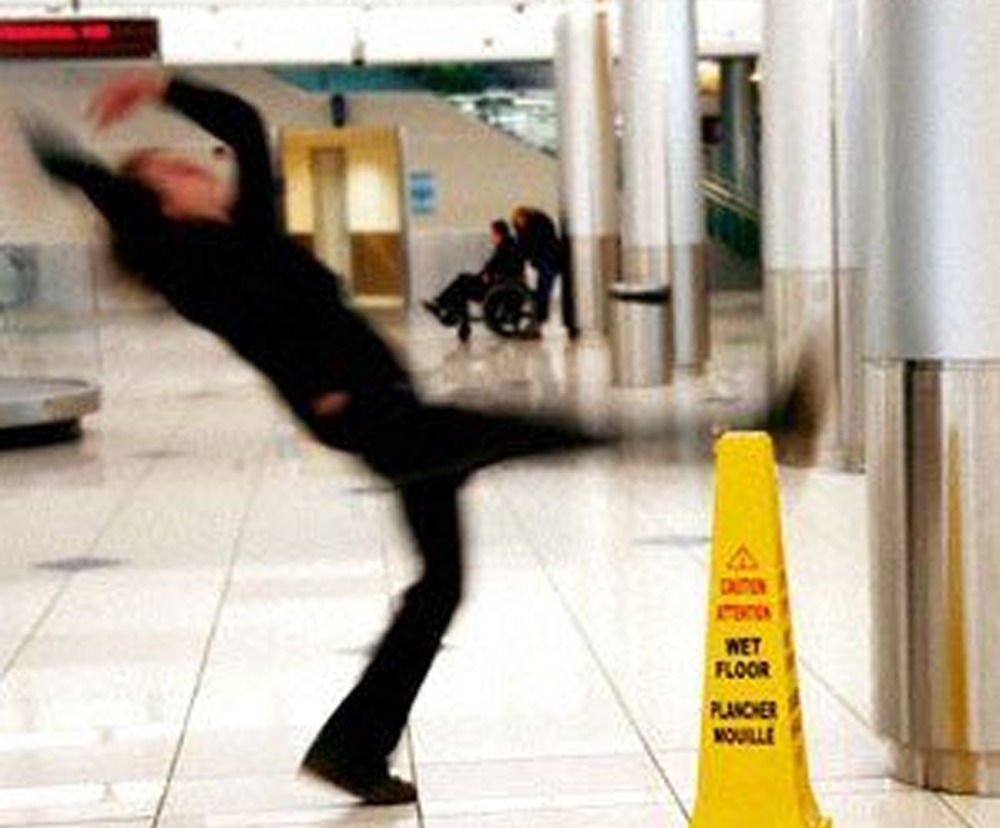
 

Slip And Fall

What it’s like to be stung by a stonefish

First Aid Course in Canberra. Nationally Recognised First Aid Training. Free First Aid Manual. Local trainers in Local Locations.

A MAN who stepped on a stonefish while on holiday in Queensland has detailed his horrific ordeal — and how nothing could stop the excruciating pain.

Emma Reid
Gladstone ObserverFEBRUARY 21, 20182:43PMMan stung by stonefish

“I DESCRIBE the pain as excruciating because the word comes from crucify, and that’s exactly what it was — there’s was no other way to describe it.”

That’s what Keven Renshaw said after he was stung by the most venomous fish in the world, the stonefish, The Gladstone Observer reports.

Mr Renshaw, originally from Ireland, and his partner Grace Scantlebury, from Rockhampton, were supposed to be on a relaxing weekend away at Bargara, east of Bundaberg.

But, a day into the getaway, disaster struck as the couple enjoyed the clear ocean waters of Seventeen Seventy.

“I thought a fish had bit me at first and I pulled my foot away,” Mr Renshaw said.

“But from the moment you’re bitten you know you’re in trouble.

“It was like a blunt puncture trauma, like some had hit you right in the soft tissue.”

He was stung between his toes on his left foot as he walked in waist-high water along the beach.

“There were a few rocks on the beach but we never thought to watch out for stonefish,” he said.

The stonefish venom causes severe pain and swelling and can kill tissues, stop your arms and legs from functioning and put your body into shock.

In just 10 minutes, the 51-year-old said his pain went through the roof.

He said it felt like the webbing between his toes has been sliced.

“It went from a sharp painful thing to being excruciating,” he said.

“It was like hitting your toe with a hammer and then rubbing over it again and again with a nail file.

“I guess you have a lot of nerves down there.

“I’ve been through pain in the past where I’ve needed a screw in my skull and nothing compares to this.”

Mr Renshaw said he’d had a heart attack a few years ago and, as a nurse himself, he knew the venom wouldn’t be good for him, so sought immediate medical attention.

“The coughing started pretty quickly and I went downhill,” he said.

“I had three green whistles of painkillers and it didn’t do anything.

“The venom is not good for your heart, as it can set off an arrhythmia or fibrillation.”

He said the pain radiated from his foot where the barb remained.

“I was trying to man up and be a man about it,” Mr Renshaw said.

“But you can see from the pictures, I couldn’t handle it.”

Five hours after he was stung Mr Renshaw was at Bundaberg Hospital where they eased the pain with anaesthetic. The following day he had surgery to remove the barb.

He praised emergency services and said he was well looked after by ambos and hospital staff.

Mr Renshaw said the message for beachgoers was to never take anything for granted.

“You always think it will never happen,” he said.

“But this broke me and it was such a struggle and brought me to tears.”

This article originally appeared on The Gladstone Observer and has been republished here with permission.

Check out our upcoming first aid course in Canberra at www.canberrafirstaid.com


First Aid Course booking site in Canberra

First aid first: how to help your child

First Aid Training in Canberra. Excellent provider with great customer service. Free First Aid Training Manual.

Every parent has been there.

Your child has had a fall. Or they have a fever. Either way, it may be serious.

Or perhaps it isn’t – but you just can’t be sure.

So maybe you head straight to A&E.

Fevers and falls: the top reasons why parents visit A&E

British Red Cross research has found that two of the main reasons parents take their children to A&E are falls and fevers.

And over 40 per cent of parents said they brought their children to A&E because they were worried and didn’t know what to do.

The research also found that more than half of parents ask for advice before going to A&E. That’s where we can help.

Trying some #FirstAidFirst when a baby or child is ill or injured could help you find out what’s wrong. It can also help you relieve symptoms and know whether or not they need to go to hospital.

Our online first aid advice and baby and child first aid app provide clear, easy steps to follow whenever your little one is poorly or hurt.

Our first aid for baby and child course will give you further peace of mind.

And here is some simple first aid advice for fever and falls:

What to do when your baby or child has a fever


The British Red Cross is helping parents learn what to do if a baby or child has a fever with a new animated video.

  1. The first thing to do is check the child’s temperature with a thermometer. If it is above 37°C, your child has a fever. They may have flushed skin and be sweating.
  2. Reduce their temperature: remove excess clothing and give the baby or child a drink, such as water, diluted juice or their normal milk.
  3. You can also give the recommended dose of paracetamol syrup.
  4. If a child has a temperature above 39° – or above 38° for a baby less than six months old – seek medical advice.
What to do when your baby or child bumps their head

A cartoon drawing of a mother holding a cold cloth on a little boy's forehead after he gets a bump on the head

When children bump their head, they may be in pain and get a headache. There may also be a lump on the head and they may look pale.

  1. Get the child to rest and put something cold on the injury. This could be frozen vegetables or a bag of ice wrapped in a tea towel.
  2. If the child gets drowsy or vomits, or their symptoms get worse, seek medical advice.
What to do when your child has a sprain or strain

If your little one falls and twists an ankle or overstretches another part of the body, they may have a sprain or strain.

They may feel pain around the injury and it can start to swell. A bruise may also develop.

  1. Get your child to rest the injured part of their body.
  2. Put an ice pack or a bag of frozen vegetables on the injury for up to 10 minutes.
  3. You can also give them the recommended dose of paracetamol syrup.
  4. If their injury doesn’t improve, seek medical advice.
A&E is always there in an emergency

Your GP, pharmacist, walk-in centre or NHS 111 can also help when your child is hurt or ill.

But you can do a lot as well.

Try #FirstAidFirst before taking your child to A&E. It can help you find out what’s wrong so you’ll know what to do.

Maybe you’ll decide you don’t need to take your child to hospital after all.

Or maybe you’ll help them calm down and feel a little better for the trip to A&E.

Both are good news for you and your child.

So give yourself some peace of mind – try first aid first.


Epipen

Shortage of life-saving medicine terrifying parents

First Aid Course in Canberra. Book your training now. Excellent First Aid Trainers. Asthma and Anaphylaxis sessions.

Managing my son’s food allergies has become more difficult as he’s gotten older.

No longer in my constant care, I can only hope that I have taught him enough to save his own life.

Philip, 13, was born with severe food allergies to egg and tree nuts. That means when he eats these foods his over-active immune system mistakenly thinks they are poison, and attempts to shut his airways to prevent them getting in, suffocating him in the process.

Read more: My son was told he’d never grow out of his food allergies

It’s called anaphylaxis, and it’s deadly.

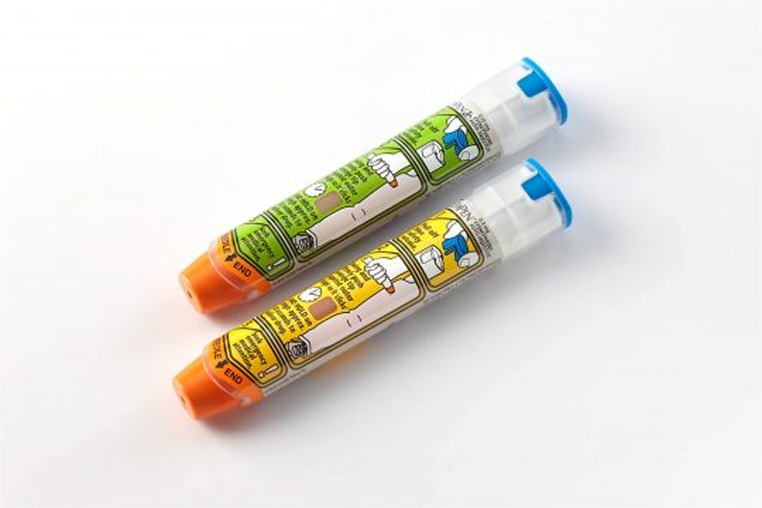
The only way to stop the reaction is to administer a shot of adrenalin via an auto-injector.

In Australia, the only auto-injector available is called an Epipen which is produced by American big-pharma Mylan and distributed locally by Mylan Australia.

Except they’ve run out.

And allergy families are feeling real fear.

My daughter was allergic to milk for the first two years of her life but thankfully grew out of it. Philip, however, has grown out of some of his allergies, however those that remain have become worse.


As a teenager, Philip has learned to carry his life-saving medication with him everywhere. He straps an auto-injector pack to his leg wherever he goes. It carried two EpiPens.

Those pens expire in June.

For some allergy families, their EpiPens expire sooner, or already have done.

Maria Said from Anaphylaxis Australia told 9News there has been a series of problems with EpiPens since November 2017 when the EpiPen Junior ran out, and now the adult EpiPens have also run out.

Last March some EpiPens were recalled due to flaws in the product.

“There has been a role on of problems and this has caused some unrest and some anxiety,” she said. “We’re trying to support people through this.”

The only way to access life-saving adrenalin in the absence of an auto-injector is to call an ambulance however when it comes to food allergies, particularly the more severe anaphylaxis, an injection is needed in the first few moments of the reaction.

By the time the ambulance arrives, it’s often too late.


But it’s not the fact Mylan is having trouble doing it’s job that is the real issue. It’s the fact they are the only provider of EpiPens in Australia.

Since when did it become a good idea for a lone big-pharma to be responsible for the manufacture and distribution of life-saving medication?

Since when did it become a good idea for any company to have a monopoly on a life-saving medication or device?

Two years ago a rival product called the Anapen attempted to launch in Australia and the news was music to my ears.

It was a better product, lasting two years instead of the one that an EpiPen does.

The company was never able to establish the Anapen in the Australian market or any market.

That has left allergy families at the mercy of Mylan and it could cost lives.

One in 20 Australian children are born with a deadly food allergy, according to current data, and two in 100 Australian adults are living with the deadly condition.

“First and foremost we have to get to the bottom root cause of why we’ve got this shortage and why these shortages keep happening.”

The Therapeutic Goods Administration (TGA) has approved two alternate products but they aren’t available yet.

Pfizer is the company responsible for manufacturing EpiPen products and has released a statement blaming “manufacturing problems” for the shortages.

Not good enough.


Allergy experts are telling allergy families to keep their expired EpiPens and use them as long as the adrenalin inside them isn’t discoloured. This can be observed through the observation window in the product.

Associate Professor of the Australian National Allergy Strategy, Richard Loh, told 9News that while using expired adrenaline is safe, it may not be as affective at treating an allergic reaction.

The TGA has been told new supplies of EpiPens will be available by February 23.

Let’s hope so.

What else can we do?

If you are concerned about the EpiPen shortage email me at [email protected]

To find out more contact Anaphylaxis Australia on 1300 728 000.

To learn how to use the epipen in a first aid course please book in to a training session in Dickson at www.canberrafirstaid.com


Aed

Guard yourself against sudden cardiac arrest

First Aid Course in Canberra. Excellent First Aid trainers. Free Manual and CPR Face mask. Plus access to the online First Aid App.

Fluttering of your heart is not always a sign of love, nor is skipping of a beat. The fluttering could be a sign that you need to pay attention to your heart. So what if your parameters are more or less fine, but if your heart is not beating right, it is reason enough to see a doctor. Arrhythmias, also called irregular heartbeats, fluttering, palpitations, and so on, can put you in grave danger, even causing a sudden  Unfortunately, in India, we do not have a national registry for cardiac deaths, so it is difficult to predict the number of people dying due to SCDs. But a look at the macro factors removes any doubt whether Indians are at the brink of cardiac emergency. An India Spend research in the year 2016 showed (CVD) kill 1.7 million Indians every year. What is abnormal beating of the heart?Our heart beats regularly and non-stop while we are alive. It keeps on pumping blood — even when we suffer a heart attack, the pumping of blood does not stop. Our normal heart-beating rhythm is around 60 to 100 beats per minute when the body is at rest.

The rhythm can vary if a person does some extra physical work, or is under the effect of some emotional or psychological stimulus. But arrhythmia is much different — it is the change in our normal that is triggered by an alteration in the sequence of the electric impulses our heart receives.Vanita Arora, Director & head Cardiac Electrophysiology Lab & Arrhythmia Services, Max Super Specialty Hospital Palpitations triggering cardiac arrest When the heart is not functioning properly for a prolonged period of time, it gives rise to a situation that may lead to sudden cardiac arrest, which is different from a  A sudden means that the heart has suddenly stopped functioning due to irregularity of electric impulses. A sudden leads to almost instantaneous death. A person who is suffering from cardiac arrhythmia for a long time is at a high risk of as the electric system of the person is not functioning properly. Some of the common symptoms of various forms of irregular heart eat include breathlessness, dizziness, fluttering in the chest or irregular heartbeats even in normal circumstances. Other symptoms include chest pain, palpitations, sweating, and confusion. In case the symptoms are detected, the patient should be taken to a cardiac specialist.A proper check-up from a cardiac electrophysiologist will help determine whether arrhythmia is dangerous or not. With due medications, increased physical activity, certain dietary changes, periodic monitoring of pulse, and managing risk factors can ensure a person continues to live with a healthy heart.

Check out our upcoming first aid course in Canberra at www.canberrafirstaid.com


First aid training

Irish backpacker who had scalp and ear torn off

First Aid Course in Canberra. Book now for great raining. Free First Aid Manual. Nationally Recognised Certificate. CBD Location.

A VICTORIAN pear farm where an Irish backpacker had her scalp and ear torn off will have its sentence appealed by prosecutors, who called it “manifestly inadequate”.

Caroline Schelle

Is there a dark side to Australia’s backpacker industry?

PROSECUTORS want a harsher penalty handed to a Victorian pear-packing company after a young Irish backpacker’s scalp and ear were torn off by a conveyor belt.

Kalafatis Packing Pty Ltd pleaded guilty to failing to provide a safe system of work and was fined $50,000 without conviction in January.

But the sentence was “manifestly inadequate”, according to Acting Director of Public Prosecutions Gavin Silbert QC, who lodged an appeal on Wednesday.

The young woman was scrubbing the underside of a conveyor belt on November 7, 2015, when her hair became tangled in a rotating drive shaft, a court had previously been told.

Her scalp was then torn from her head and one of her ears was ripped off.

The woman was hired by a company which specialised in providing backpacker labour to the fruit industry.

In January, WorkSafe’s health and safety executive director Marnie Williams said the circumstances of the incident were appalling.

The court heard workers were required to clean the conveyors while they were energised and moving.

Annie Dunne was assessing the underside of a conveyor in order to scrub its surfaces when her hair became entangled in a rotating drive shaft and her scalp was torn from her head, WorkSafe says.

She also had one of her ears torn off.

“This truly was a shocking incident that has changed this young woman’s life in a split second,” Ms Williams says in a statement on Friday.

“It’s staggering that workers were expected to clean machines which were still in operation.”

She said the labour hire business engaged workers for the packing shed and left them exposed to risk of “serious injury and death”.

Ms Williams said there was a “blatant risk” of serious injury from entanglement, crushing or entrapment with both conveyors in the shed.

Book in to a first aid course at our Dickson CBD location at www.canberrafirstaid.com


Aed

Student finds red belly black snake in school bag

First Aid training in Canberra. Book now to learn snake bite first aid. Excellent First Aid Training at a great price. Free First Aid Manual.

AN Ipswich girl got more than her morning tea today when she checked her school bag for snacks and instead found a red bellied black snake.

Terrifyingly, the student at Augusta State School in Augustine Heights, southwest of Brisbane, only realised the venomous snake was there when it slithered over her hand.

A staff member stepped in quickly to zip the snake inside and await its removal.

When licenced snake catcher Lana Field arrived, she found the two-foot juvenile snake curled up inside.

Ms Field said red bellied blacks were naturally shy, so it was likely looking for somewhere to hide when it slithered into the backpack.

This red bellied black snake was found in an Ipswich student’s backpack this morning

Ironically, the snake — the mascot for the Slytherin house from the Harry Potter series — had found refuge in a Gryffindor bag.

Any fan of the series knows the two houses are mortal enemies.

“It had every opportunity to bite the child because she’s putting her hand in there in a dark space but it would have been more interested in hiding,” Ms Fields said.

“Nobody has ever died from a red bellied black bite.”

The red bellied black hiding in a school backpack.Source:Supplied

Ms Field, of Snake Catchers Brisbane, Ipswich, Logan & Gold Coast, said Ipswich call-outs for the species were common.

“Particularly in areas where the are rock retaining walls and any areas where there is some water in the vicinity.”

The school has both.

It is believed the school emailed parents about the snake on school grounds as a precaution.


Seven-foot brown snake latches onto man’s leg


First Aid Course Canberra. Nationally Recognised First Aid Certificate. Free First Aid Course Manual. Great Trainers. Cheap First Aid Course.

A cattle farmer in central Queensland has been bitten by a seven-foot brown snake while riding a motorbike, causing the man to fall from the bike and fight to pull the reptile off after it latched onto his leg.

He managed to escape from the “enormous [and] highly-venomous” snake and raise the alarm, before being flown to Mackay Base Hospital on Saturday.

RACQ CQ Rescue said the 34-year-old Charters Towers man was bitten while mustering cattle on a property near Clermont, 380 kilometres north-west of Rockhampton, about 8am.

He rode his motorbike over the top of the reptile, causing it to rear up and bite him on his lower right leg through his jeans.

RACQ CQ Rescue air crewman Shane Bargh said the man fell off his bike and grabbed the snake behind the back of the head to pull it off his leg.

The patient told medical staff the snake was “so big” it took his entire hand span to grab its head.

After removing the reptile, the victim was attended to by other workers before being flown to hospital from Clermont Airfield by a rescue helicopter.

The patient was “very unwell” and showing common signs of envenomation, including severe chest pain, Mr Bargh.

The RACQ CQ Rescue helicopter took off from Clermont just before 11am and arrived at Mackay Base Hospital an hour later, with the patient classified as being in a stable condition.

Mr Bargh said that, with any snake bite, stopping the spread of the venom was vital. The affected limb should be bandaged firmly, splinted if possible and immobilised.

Untreated, envenomation by a brown snake can result in paralysis, uncontrollable bleeding and possible death.

“Every snake bite should be managed as a medical emergency. Correct first aid could save
a snake victim’s life,” Mr Bargh said.

Check out our available first aid course in Canberra at www.canberrafirstaid.com


Suicide first aid: Would you know what to do

First Aid Course in Canberra. Nationally Recognised Training. Great trainers. Mental Health First Aid Training. 

Would you know what to do if you thought someone you love was suicidal?

It’s a complex situation best handled by professionals, but like physical emergencies, knowing mental health first aid can help.

The concept has been around since the 1990s but a new course focused on suicide has been developed.

Trys Reddick, an accredited Mental Health First Aid instructor, runs the course in Perth through his organisation Passionate Lives.

He relies on grant money to be able to deliver the service free of charge to the community.

At the moment the course is so popular he has 200 people on a waiting list.

What are the signs someone is feeling suicidal?

Signs to look out for

  • Threatening to hurt or kill themselves
  • Looking for ways to kill themselves
  • Talking or writing about death or suicide
  • Feeling hopeless, enraged, angry, seeking revenge
  • Acting recklessly or engaging in risky activities, seemingly without thinking
  • Feeling trapped, as if there is no way out
  • Increasing alcohol and drug use
  • Withdrawing from friends, family, society
  • Anxiety, agitation, unable to sleep or sleeping all the time
  • Dramatic changes in mood
  • No reason for living, no sense of purpose in life

Source: Mental Health First Aid Australia

The course teaches several signs to look out for.

They include someone acting recklessly, talking or writing about suicide and withdrawing from friends and family.

Helping someone who is suicidal is complicated, but the course suggests three key actions to take.

The first is if you think someone’s suicidal, ask them directly.

If they say yes, don’t leave them alone, and try to get them professional help. A trusted GP is the first port of call.

One of Mr Reddicks’ students knows more about suicide than most.

What to do

  • If you think someone may be suicidal, ask them directly
  • If they say yes, do not leave them alone. (ie stay with them, invite them to your house if appropriate, or link them with friends)
  • Link them with professional help. A trusted GP is the first port of call

Source: Mental Health First Aid Australia 

Three years ago Paul Mallett tried to end his life.

“I don’t want to hide things, I’ve always drunk alcohol, it hasn’t been great,” Mr Mallett said.

“I probably still drink too much alcohol but ultimately a family breakdown led to a crisis for me.”

After 20 minutes, the 51-year-old called an ambulance.

If you or anyone you know needs help:

“I guess it dawned on me, if I can’t look after my kids, who’s going to do it?

“The experiences I’ve had since then are things I wouldn’t trade for the world — teaching my son to drive a car, helping with homework, just chatting, going to the movies, all those things that normal people do.”

The course Mr Reddick teaches, which was developed by Mental Health First Aid Australia, has won a big tick of approval from Beyond Blue’s Grant Blashki.

“Mental health first aid is really appropriate for anyone in the community but especially people who are in the education sector or community groups or having a lot of contact with members of the public,” he said.

For information about mental health first aid, visit Mental Health First Aid Australia.


CHILD EVERY WEEK IS RAN OVER

First Aid Course in Canberra. Check our upcoming sessions. The best first aid course in Canberra. Excellent trainers and price.

With two separate incidents with tragically similar circumstances, just days before Christmas it’s a timely reminder to be careful in your driveways. News.com.au report – http://www.news.com.au/national/two-children-struck-by-reversing-cars-in-separate-incidents/news-story/8462b1469a3cdb8912047e6c05f88e6a

Have you ever thought about writing/creating a family agreement or policy for reversing cars with small children around? If not, now is the time to think seriously about it.
The South Australian Government reports – “On average, seven children are killed each year and 60 seriously injured after being hit or run over by a motor vehicle at home. Very young children are at greatest risk. 90% of children killed and 70% of those seriously injured are under five years of age.”
Whilst a number of cars now days are fitted with safety/reversing cameras, they can have blind spots as well. Being conscious of your surroundings and making your children and family aware of the dangers in this situations is vital.
Kids Safe NSW have four main tips to help keep your children safer:
• Always supervise any children whenever a vehicle is to be moved – hold their hands or hold them close to keep them safe.
• If you’re the only adult around and need to move a vehicle, even just a small distance, put children securely in the vehicle with you while you move it.
• Encourage children to play in safer areas away from the driveway and cars – the driveway is like a small road and should not be used as a play area.
• Limit a child’s access to the driveway – for example use security doors, fencing or gates
RACV not only provide information on ‘Keeping some simple ideas in mind can make a huge difference to the safety of children in your care. Supervise, Separate, See’. But also have the ‘Elmo Stays Safe app’ that you can download on your iPad for kids to become aware as well.
– Checking on your children should be the last thing you do before you get into the car.
– When you’re putting your children in the car, remind them that reversing cars are extremely dangerous.
– Create a checklist with things like the following and make it routine to go through before you reverse.
Below are some further links to refer to for information and documentation relating to driveway and children safety!
Drive Safe from the team at Allens Training, check our first aid courses at www.canberrafirstaid.com
*Budget Direct: https://www.budgetdirect.com.au/blog/reverse-carefully-prevent-a-car-accident-keep-your-children-safe.html
*SA Government: https://www.dpti.sa.gov.au/towardszerotogether/safe_road_users/driveway_safety
*Kidsafe NSW Inc: http://www.kidsafensw.org/road-safety/driveway-safety/
*RACV: https://www.racv.com.au/on-the-road/driving-maintenance/road-safety/child-safety.html